
Watch a two-year-old pick a toy up off the floor. They don't bend over. They drop straight into a deep squat, heels down, chest up, and stay there as long as they like.
Nearly all of us could do that once. Then school chairs, car seats, sofas and screens slowly took it away.
In lots of places around the world, people never lose it. They sit in a deep squat to eat, chat, cook or wait for the bus.


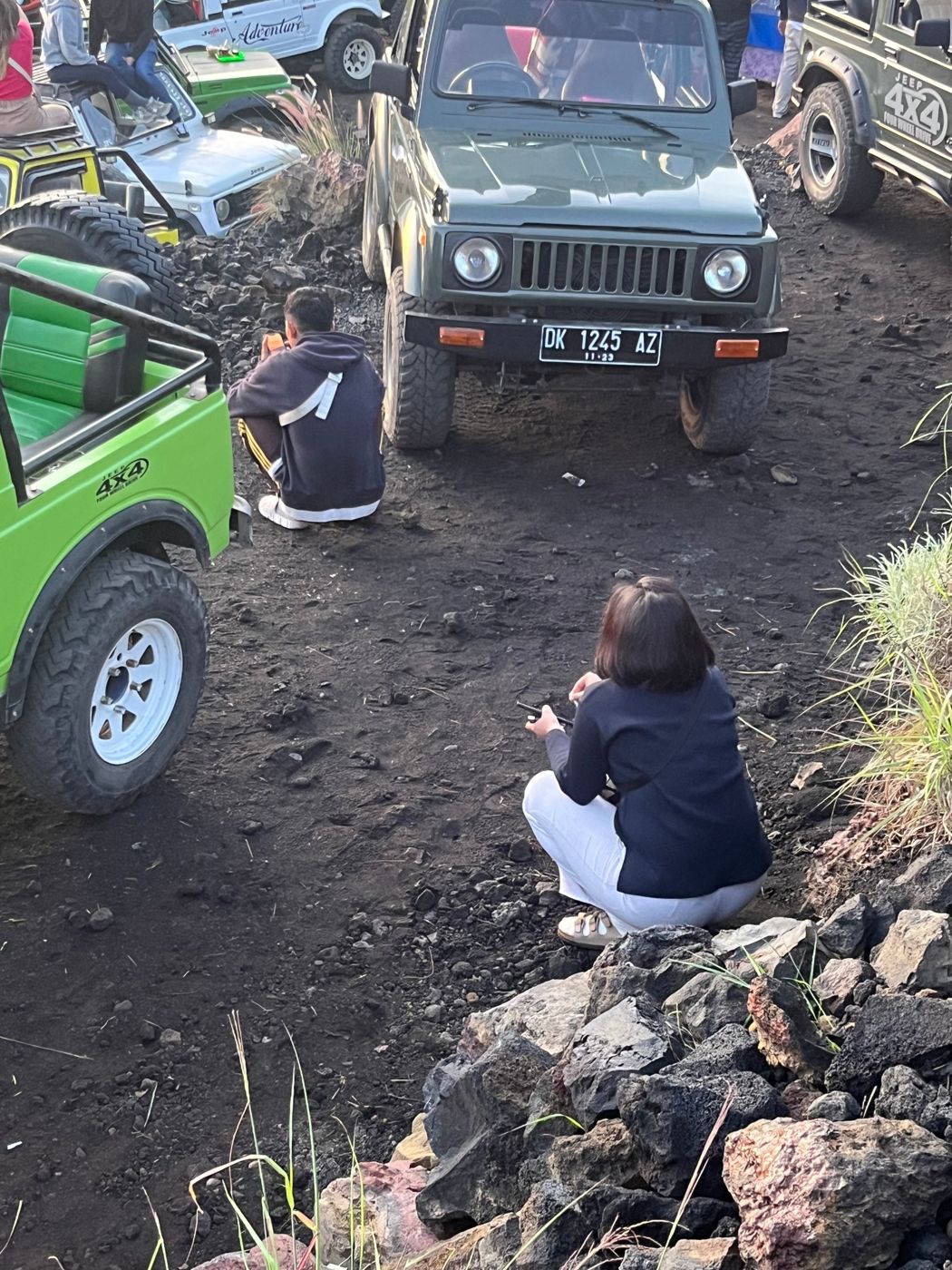
Sunrise on Mount Batur, Bali. Everywhere you looked, people of every age were resting in a deep squat.
This challenge is about keeping that position, or getting it back, before it disappears.
Why it matters for footballers
Football is played low. Winning a second ball, turning sharply, landing from a header, striking through the ball: all of it asks the hips, knees and ankles to bend well.
Kids now sit for more of the day than ever. If their joints spend most hours stuck at chair height, that's the range their body gets used to. The rested squat is a simple way to spend time at the other end of that range, every day.
It won't turn anyone into a pro, and it doesn't replace good training. But it's free, needs no kit, and gives young players more range to play with.
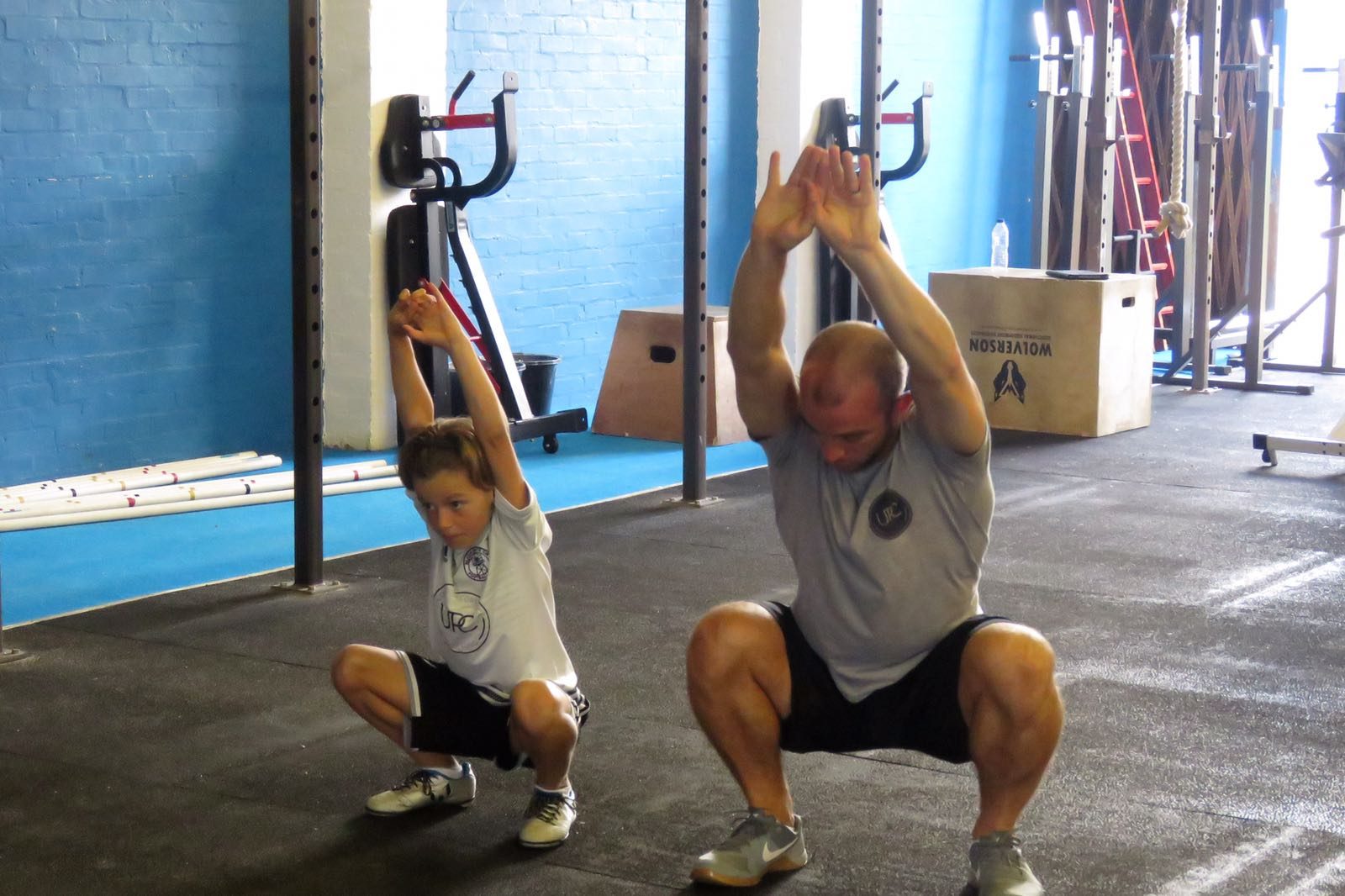
What is a rested squat?
It's a squat you sit in, not one you exercise in.
- Feet about shoulder-width apart, toes turned out a little
- Sink down as low as feels comfortable
- Heels on the floor if you can
- Knees pointing the same way as your toes
- Relax. Rest your arms on your knees or hug your shins
It should feel like a stretch. Never pain.
The challenge
For 30 days, build up time in a rested squat. It doesn't have to be in one go. Thirty seconds here, two minutes there: it all counts.
Pick your level:
Your level is your minimum. Pick Silver and every day needs at least 10 minutes. Doing more is brilliant. Doing less means that day doesn't count.
So choose the level you can hit on a busy school day, not on your best day.
Where to fit it in
The trick is to swap sitting for squatting during things you already do.
- Watching TV or YouTube
- Gaming
- Reading
- Pulling your boots on before training
- Waiting for the toast, the kettle or your lift
- Chatting with your mates at the park
Five minutes in front of one episode and Bronze is done before tea.
Can't get all the way down?
That's normal, especially during a growth spurt. Try one of these:
- Heels on a book or folded towel. As it gets easier, make it thinner.
- Hold on to something. A door frame or table leg stops you tipping backwards.
- Go shorter. 20 to 30 seconds, stand up, shake it out, go again.
Tight calves, shins or hips usually ease with practice. Sharp pain, or pain that hangs around afterwards, means stop and tell a parent or coach. If your child has an injury or is seeing a physio, check with them first.
Track it
On day 1, take a side-on photo in your squat. On day 30, take another and compare.
Tick each day off on a tracker on the fridge. Seeing the streak build is half the fun.
Parents: those photos are yours. If you'd like to share your child's progress with us, send it over, but we'll never post a child's photo without your written permission.
Make it a family thing
Kids copy what they see. Grown-ups, get down there with them. Fair warning: it's usually the adults who find it hardest.
Better still, get the whole squad doing it. Who's still going on day 30?
After day 30
The aim isn't to stop. It's for squatting to become something they just do.
Some people build up to 30 minutes a day over time. That's great, but it isn't needed. Five, ten or fifteen minutes, every day, is a habit worth owning.
Small things, done daily, become normal.
Pick your level and start today.
Interested in your child starting their journey with UP Football? Message us on WhatsApp on 07940 332641 to book a quick call about the next steps.